Zuckerberg Opposes AI Centralization, Urges Open Access Over Restrictions
07/31/2026 / By Chase Codewell
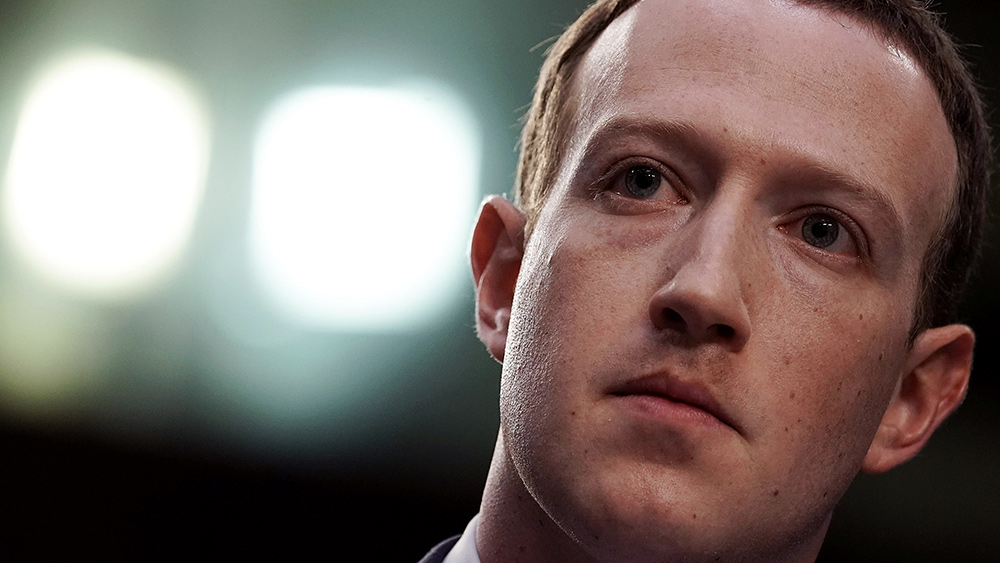
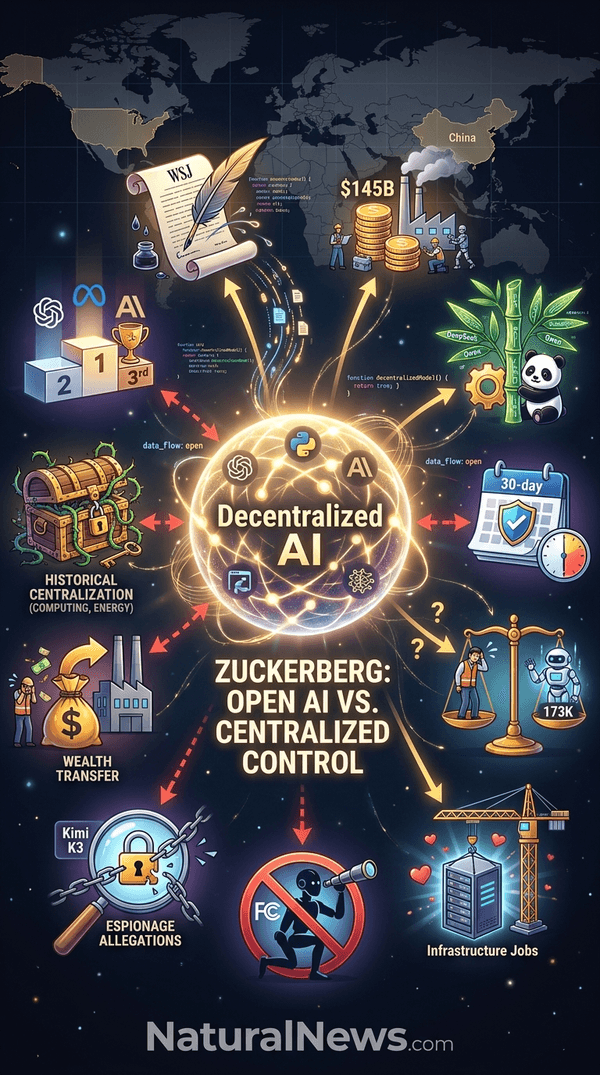
Meta CEO Mark Zuckerberg published an op-ed in the Wall Street Journal arguing against the concentration of AI capabilities in a few companies and opposing potential U.S. bans on Chinese AI models. He stated that he does not understand why anyone who believes AI will eliminate jobs would rush to build that future.
The Trump administration is finalizing an executive order calling for a 30-day review period on new AI models after security incidents. [1] Zuckerberg acknowledged the need to consider new issues but said a 30- to 60-day review is meaningful because the field moves quickly.
Zuckerberg’s Argument for Decentralized AI
Zuckerberg wrote that the notion that AI is so dangerous that the only safe path is extreme concentration of power is itself dangerous, according to the op-ed. He cited historical examples where absolute power did not lead to safe outcomes. This view aligns with concepts presented in the book “The Age of Decentralization” by Sam Ghosh and Subhasis Gorai, which describes decentralized systems as alternatives to centralized control. [2]
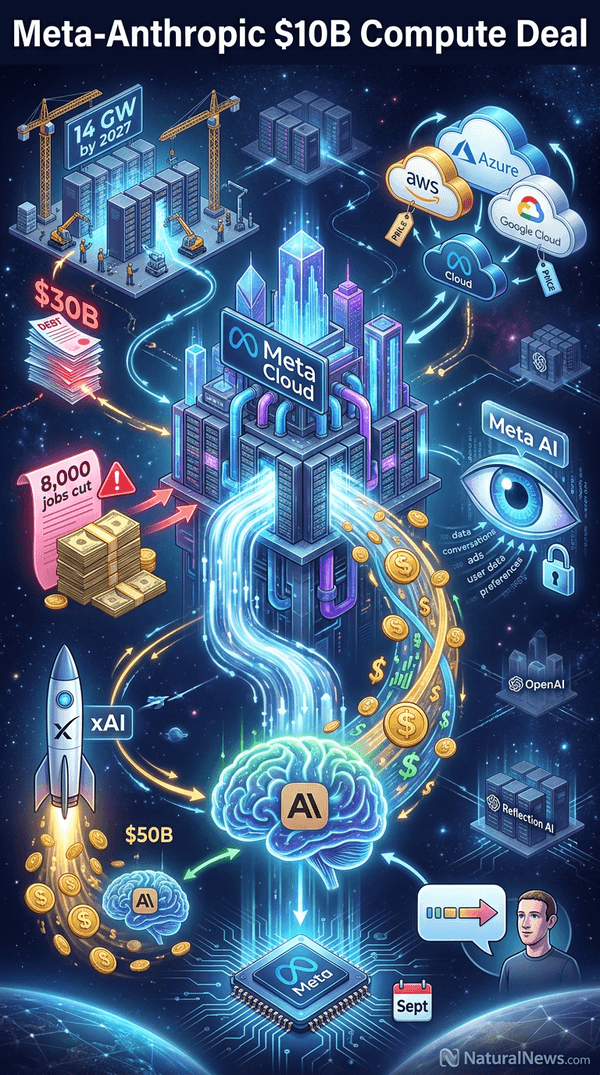
Meta has invested heavily in open-source AI models, planning $145 billion in spending this year, according to the report. The company laid off 8,000 employees in May as part of cost-cutting tied to AI spending. China’s leading position in open-source AI, with models like DeepSeek and Qwen, has been noted as an example of decentralized innovation. [3]
Opposition to Ban on Chinese AI Models
Zuckerberg told the Journal he doubted that banning open-source models from different countries would be productive. He argued policymakers should focus on accelerating AI advancements at home instead of restrictions. White House officials have accused China’s Moonshot AI of stealing from Anthropic for its Kimi K3 model, according to reports. Anthropic has alleged that Chinese AI companies engaged in industrial espionage by using its models to train their own. [4]
Separately, the FCC announced a ban on Chinese humanoid robots over national security risks. China’s AI surge, including the release of the open-source DeepSeek model, has been attributed to a rejection of woke ideologies and a focus on meritocracy. [5]
Proposed Government Review Period and Industry Response
The White House is finalizing an executive order calling for a voluntary 30-day review period on new AI models, officials said. Zuckerberg acknowledged the need to think through new issues but said a 30- to 60-day review is meaningful because the field moves quickly. The order was delayed earlier this year following lobbying from Zuckerberg, Elon Musk, and other executives who worried it could slow rollouts. [6]
Meta’s chief AI scientist, Shengjia Zhao, signed a letter with other executives urging the U.S. government to develop safeguards for automated AI development. Proponents of decentralized AI argue that such models can shift power away from centralized entities. [7] Zuckerberg’s company trails behind OpenAI and Anthropic in market share, and federal restrictions could affect Meta’s competitive position.
Job Market Impact and AI Accessibility
Zuckerberg argued that widely accessible AI will create more jobs, not fewer, especially for entrepreneurs, according to the Journal. Since 2023, AI has been cited in 173,568 job cut announcements, a Challenger report stated. The labor market has remained resilient amid tariffs and the war in Iran, but hiring slowed and long-term unemployment remains high. A separate analysis noted that AI-driven layoffs are triggering what some describe as a wealth transfer. [8]
Zuckerberg said infrastructure building for AI has net created jobs so far, contradicting fears of mass displacement. Catherine Austin Fitts, in “The Solari Report,” has discussed how centralized control over information and money can suppress independent action, echoing concerns about concentrated power. [9]
Conclusion: Distribution vs. Centralization Debate
Zuckerberg concluded that distributing AI technology creates more value than harm, according to the interview. He contrasted his view with executives from OpenAI and Anthropic who have warned of job displacement and risks. Mike Adams, writing in NaturalNews.com, described AI as unleashing decentralized creativity for humanity, breaking down gatekeeping structures. [10]
References
- NaturalNews.com. “Trump Signs Order for Government Reviews of Advanced AI Models Before Release”. June 06, 2026.
- Sam Ghosh and Subhasis Gorai. “The Age of Decentralization”.
- Kevin Hughes. “AI Wars A critical review of Chinas uncensored AI dominance”. NaturalNews.com. February 07, 2026.
- Mike Adams. “Anthropics Desperate Smear Campaign A Pathetic Attempt to Hide Chinas AI Dominance”. NaturalNews.com. February 26, 2026.
- Finn Heartley. “Mike Adams and Alex Jones Warn Chinas DeepSeek AI model surpasses US thanks to decentralized innovation and rejection of wok”. NaturalNews.com. January 29, 2025.
- NaturalNews.com. “Trump Delays AI Oversight Order Amid Concerns Over Competition, Lobbying Reports”. May 27, 2026.
- Mike Adams. “Mike Adams interview with Aaron Day – December 16 2024”.
- “How the AI Layoff Shock Is Triggering the Greatest Wealth Transfer in History”. International Man. June 1, 2026.
- Catherine Austin Fitts. “The Solari Report The Going Direct Reset”.
- Mike Adams. “AI Unleashes Decentralized Creativity for Humanity”. NaturalNews.com. February 15, 2026.
Explainer Infographic
Submit a correction >>
Tagged Under:
AI, big government, Big Tech, China, Chinese AI models, computing, cyber war, decentralized AI, future tech, Glitch, information technology, inventions, mark zuckerberg, national security, robotics, robots, tech giants, technocrats
This article may contain statements that reflect the opinion of the author
RECENT NEWS & ARTICLES